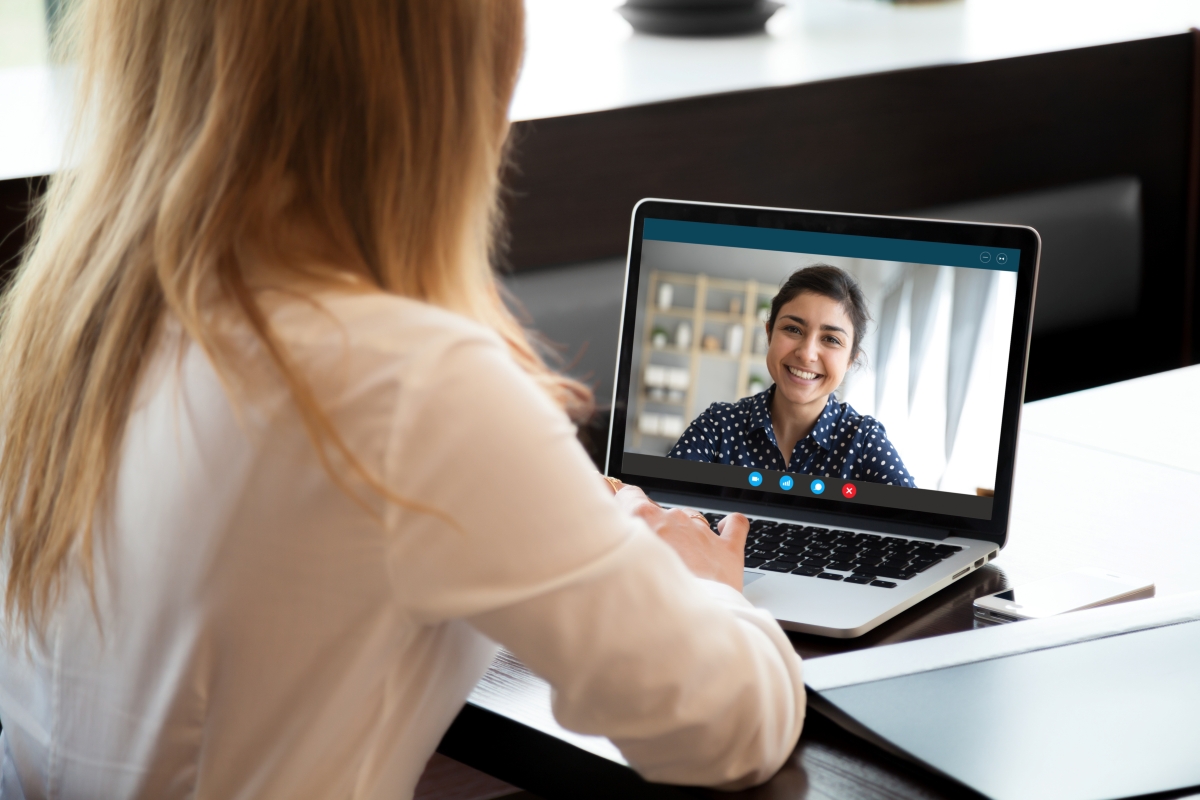
Coaching for Remote & Hybrid Teams

Remote and hybrid work have changed the way employees communicate, collaborate and connect. While flexible work arrangements have proven successful for many organizations, they’ve also brought new challenges to the forefront. Fortunately, coaching can help employees and leaders alike strengthen the skills needed to work effectively across locations.

Remote and Hybrid Team Challenges

Remote and hybrid work arrangements offer employees flexibility and employers cost-savings. However, without the proper supports, they can also create new and unique organizational challenges. Common remote and hybrid team challenges may include:

Communication and expectation gaps across locations

Meeting overload

Constant notifications

Reduced collaboration and team connection

Blurred work-life boundaries

Isolation or disengagement

Uneven access to information

For managers, remote team performance management requires a more intentional approach. Instead of relying on visibility or physical presence, leaders need to focus on clear goals and regular check-ins, while employees need to learn how to communicate proactively and manage priorities independently.

How Coaching Supports Remote and Hybrid Teams

Coaching can help employees and leaders build the skills needed to work well across locations. It can support stronger communication and healthier collaboration in remote and hybrid environments.

When it comes to coaching remote employees, coaching can help individuals stay connected and productive in flexible work environments. Other coaching benefits may include:

  • Focus and time management
  • Communication in virtual environments
  • Workload pressure
  • Boundary-setting
  • Isolation or disconnection
  • Confidence in asking for support

For leaders focused on either remote team management or hybrid team management, virtual coaching can create dedicated time to step back from daily tasks and strengthen long-term leadership habits. Other coaching benefits may include:

  • Managing remote teams
  • Setting clear expectations
  • Building trust without micromanaging
  • Leading effective virtual check-ins
  • Supporting employee engagement remotely
  • Navigating conflict across locations
  • Improving remote team performance management
  • Shift from tracking activity to supporting outcomes
  • Helping teams stay aligned without constant oversight

How to Make the Most of Virtual Coaching Sessions

Virtual coaching sessions can be a flexible and effective way to support employees and leaders, no matter where they work. To get the most out of each session, participants should come prepared, stay engaged and apply what they learn between conversations.

Ways to make virtual coaching more effective:

Choose a quiet, distraction-free space

Be open and introspective

Reflect on key takeaways after each session

Track what is working and where more support may be needed